

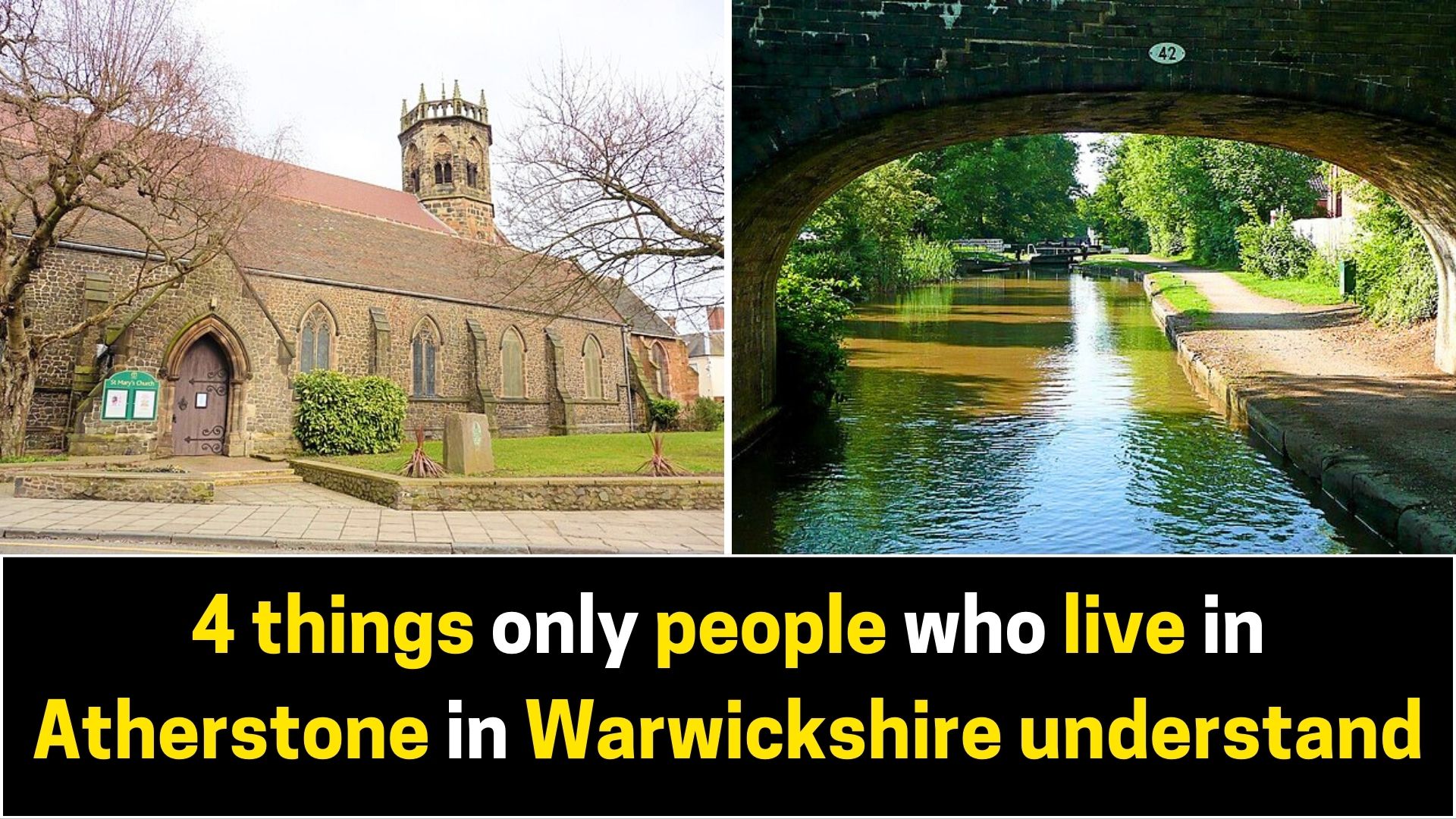
This is a guest post written by Atherstone resident Lucy Grainger
There are towns you pass through without noticing, and then there are towns that quietly settle into your bones.
Atherstone, tucked into the northern edge of Warwickshire and brushing the border of Leicestershire, is firmly in the second category.
It is not flashy, and it does not shout about itself, but it has a personality that only reveals itself if you have lived there long enough to know which butcher does the best sausages and which stretch of Long Street gets the sun first thing in the morning.
To an outsider, Atherstone might look like a pleasant market town with a busy road running straight through it and a train line that makes commuting possible. To the people who actually call it home, it is a place stitched together with small rituals, long-standing grumbles about traffic, and traditions that go back centuries.
Here are four things only people who live in Atherstone truly get.
The love-hate relationship with Long Street
Long Street is the spine of Atherstone. It runs right through the centre of town, lined with independent shops, charity stores, cafés that have changed names more than once, and buildings that seem to lean slightly inward as if they are listening to the gossip drifting along the pavement.
It looks picturesque in photographs, especially when the hanging baskets are out. Living with it, however, is a very particular experience.
The traffic is part of daily life. Because the A5 runs directly through town, Long Street can go from calm to crawling within minutes. Locals instinctively know the times to avoid it. School pick-up, late afternoon, and the slightest hint of roadworks can turn a short trip into a slow procession past shop windows.
And yet, for all the grumbling, nobody who lives here would really want it any other way. Long Street is not just somewhere to pass through. It is where you bump into people you know. It is where news travels. It is where generations of families have shopped, worked, and gathered.
Residents still describe places by what they used to be. A building might now house something entirely different, but half the town will refer to it by a business that closed years ago. Long Street is not just a road. It is a living timeline.
The Ball Game is not just a game
If there is one tradition that truly defines Atherstone, it is the historic Atherstone Ball Game.
Held annually on Shrove Tuesday, the Ball Game has taken place for centuries. For an hour each year, Long Street stops being a traffic route and becomes something far older and louder. A leather ball is thrown into the crowd and the contest begins.
To outsiders, it can look chaotic. To residents, it is heritage.
Shopfronts are boarded up. Police and stewards line the route. Spectators gather well in advance. Whether you take part, watch from the sidelines, or deliberately leave town for the afternoon, you have an opinion about it.
There are stories that get retold every year. Who won it in the 90s. Which year it rained. The time it lasted longer than expected. Families pass those stories down. Even people who claim they are “not bothered about it” will usually check who won.
It is not polished. It is not packaged for tourists. It belongs to the town, and that is precisely why it matters.
The station is a lifeline, not just a platform
Atherstone railway station might not look especially grand, but to those who live here, it is a lifeline.
Sitting on the line between Birmingham and Leicester, it quietly connects the town to wider opportunity. For commuters, it makes city work compatible with small-town living. For teenagers heading to college and workers travelling further afield, it represents independence.
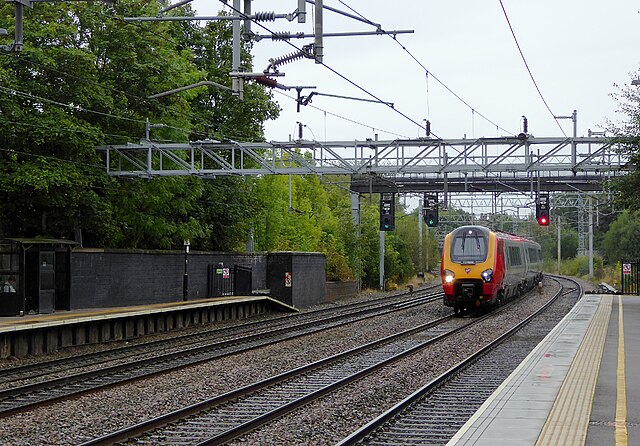
Regular passengers recognise one another. There are unspoken routines about where to stand on the platform and which carriage is usually quieter. In winter, the early morning air hangs cold under the platform lights. In summer, the evening trains bring people home into softer light and slower pace.
There is always something reassuring about stepping back off the train at the end of the day. The noise drops. The pace changes. The walk back toward Long Street feels familiar. The station is not just about leaving. It is about returning.
The quiet pride in being almost, but not quite, somewhere else
Atherstone sits firmly in Warwickshire, yet close enough to Leicestershire that the border feels more like a suggestion than a barrier. Accents blend. Football and rugby loyalties split households. Some residents lean toward Nuneaton, others toward Tamworth or Hinckley.
What locals understand is that Atherstone is not simply an extension of anywhere else. It is not “basically Birmingham” or “near Leicester.” It has its own identity.
That pride shows up in quiet ways — in debates about housing developments, in support for local schools, in conversations about preserving green spaces on the edge of town. It appears in the number of people who move away and eventually come back.
There is humour about being overlooked on the map, but beneath it sits something steady: affection.
Living in Atherstone is about recognising significance in what might look ordinary from the outside. It is about knowing that Long Street is more than a road, that the Ball Game is more than an event, that the station is more than a platform, and that sitting near a county border is more than a geographical detail.
These things are small. They are specific. And to the people who live here, they matter.