

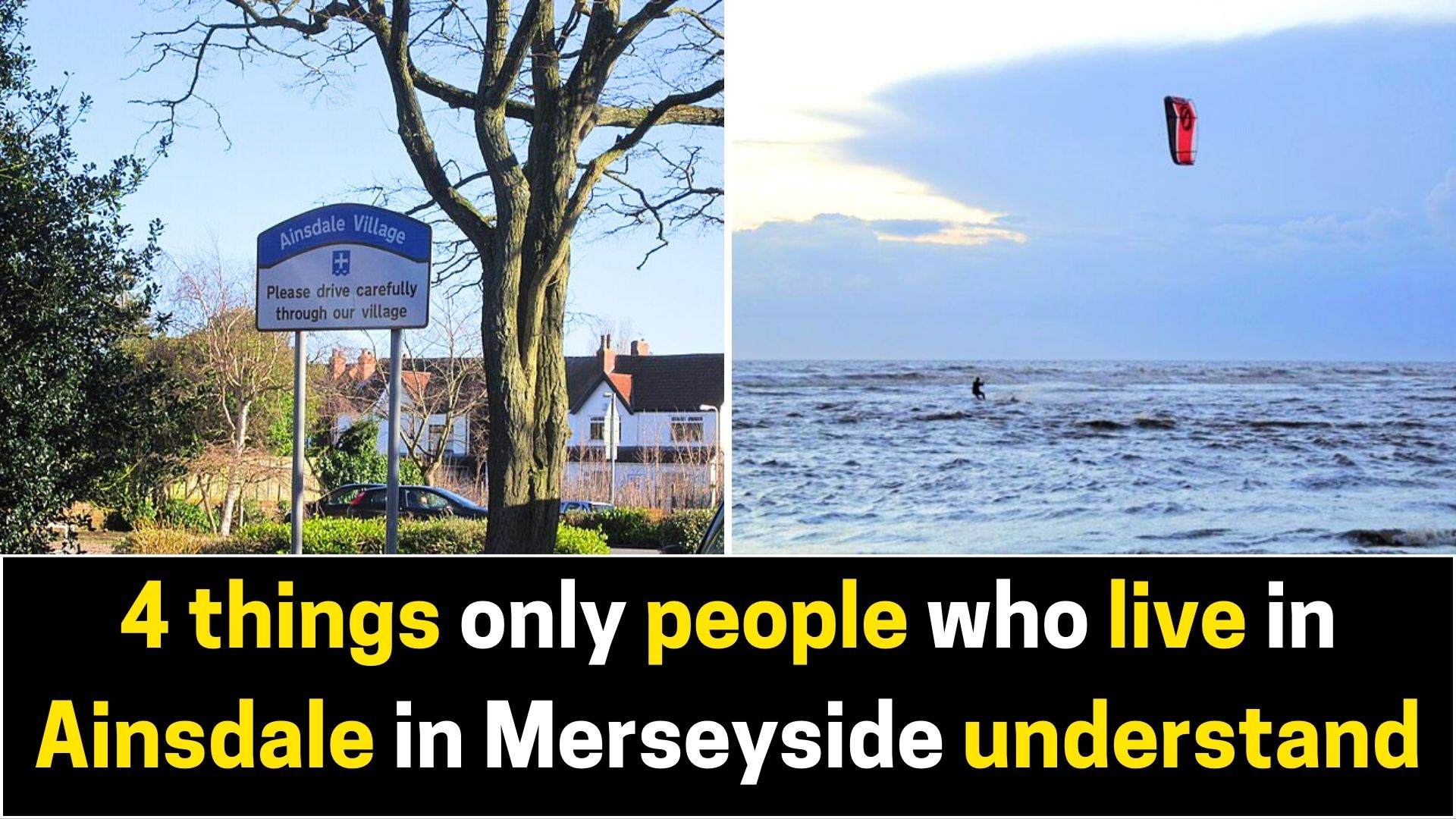
This is a guest post written by Ainsdale resident Deborah Harken
There are places that look lovely on a postcard, and then there are places that quietly shape the people who live there.
Ainsdale, tucked along the coast in Merseyside, is one of those places. Outsiders might see a stretch of beach, a neat village centre and a stop on the train line.
But the people who live here know that Ainsdale has its own rhythm, its own in jokes, and its own unspoken rules. It is a place where the wind has personality, where a simple walk can turn into a full social round, and where the dunes are as much a landmark as any building.
Living here means understanding the small details that never make it into a guidebook.
It means knowing which café will still be open when the rain suddenly sweeps in from the Irish Sea, and which part of the beach stays firm enough for a proper stroll after high tide. It is these specifics that bind people together. Here are four things that only people who actually live in Ainsdale truly understand.
The wind is not weather, it is a way of life
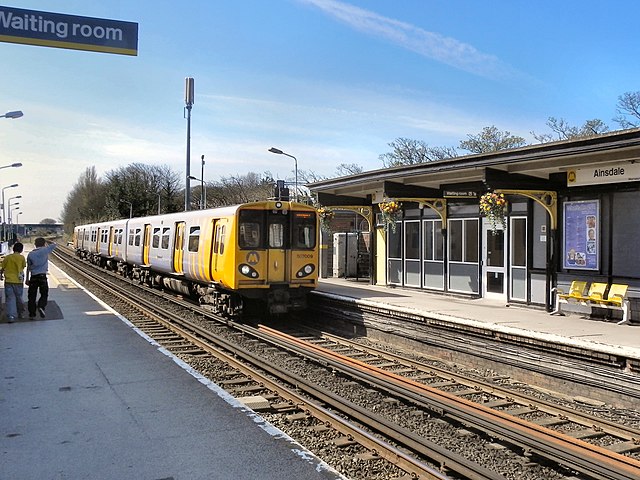
Anyone can look at a forecast and see a breezy icon. Only someone in Ainsdale understands what that really means. The wind rolling in from the Irish Sea does not simply blow, it barrels down Shore Road, rattles garden gates on Liverpool Road and has a particular talent for turning umbrellas inside out at the exact moment someone steps off the train at Ainsdale railway station.
Locals know that washing lines are an extreme sport. Pegs are not optional, they are essential equipment. Patio furniture is not casually arranged, it is strategically anchored. There is always at least one neighbour who has chased a recycling box halfway down the street in slippers, because the wind decided collection day was a personal challenge.
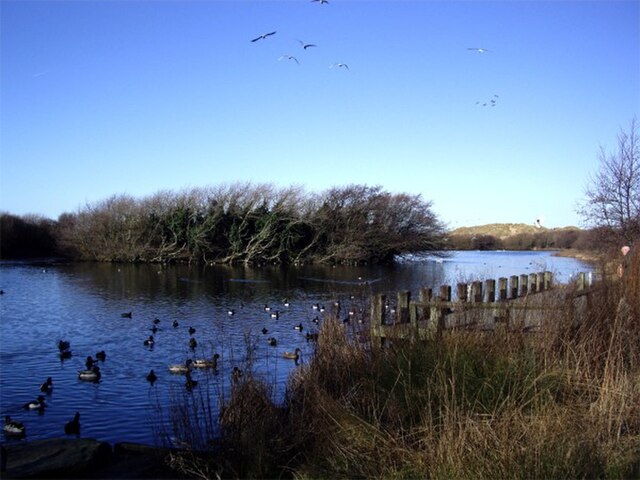
The beach tells the same story. On calmer days, the sand at Ainsdale Beach stretches wide and inviting. On windier days, it becomes an exfoliation treatment no one asked for. Sand finds its way into shoes, pockets and occasionally packed lunches. Yet there is a strange affection for it all. The wind keeps the air sharp and clean, gives the sky that dramatic sweep of clouds and reminds everyone that this is a proper coastal village, not a staged seaside set.
People who live here instinctively lean into the gusts, heads slightly down, shoulders forward. It is an Ainsdale posture, learned early and perfected over years. Visitors might complain. Residents simply call it Tuesday.
The dunes are more than just sand
To outsiders, the dunes are a scenic backdrop. To locals, the Ainsdale Sand Dunes National Nature Reserve is part of everyday life. School trips wind through the sandy paths, dogs tug at leads in excitement, and children grow up knowing exactly which dip is best for sledging on the rare frosty morning.
There is a particular pride in those dunes. They are not just pretty, they are important. Residents talk about natterjack toads and rare orchids with surprising familiarity, as if discussing neighbours. It is not unusual to overhear a conversation about the best time of year to spot a specific wildflower, or which path floods after a week of heavy rain.
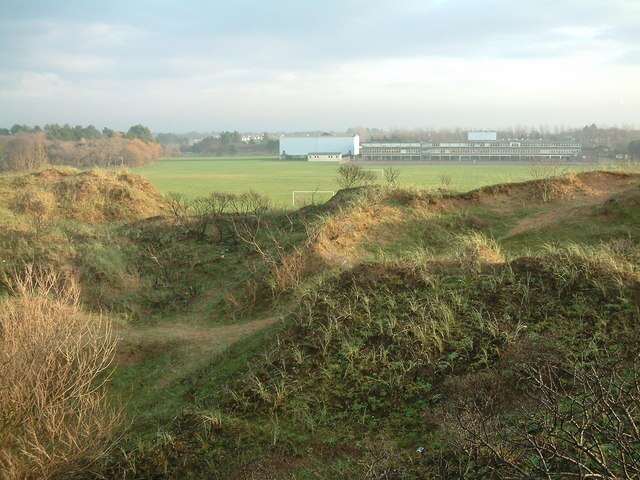
Teenagers have long treated the dunes as a rite of passage. There are memories of getting slightly lost at dusk, of daring each other to venture a bit further, of emerging sandy and triumphant. Adults, meanwhile, appreciate the quieter corners where the grass bends low and the sound of the sea hums in the background. There is a comfort in knowing that a short walk from the village centre can lead to open, untamed space.
Living in Ainsdale means understanding that the dunes shift subtly with the seasons. Paths appear and disappear. Marram grass thickens and thins. The landscape never feels static. It is a reminder that this place is shaped by wind and tide, not by neat planning lines on a map.
The village centre runs on familiarity
The heart of Ainsdale is not large, but it is busy in its own steady way. The stretch along Station Road and Liverpool Road has a rhythm that regulars recognise instantly. The same faces appear at similar times of day. The morning dog walkers. The mid morning coffee crowd. The after school shuffle.
Shops and cafés here are not anonymous. Staff remember usual orders. News travels quickly, sometimes before the person involved has even finished telling one friend. It is the kind of place where someone popping out for milk might return half an hour later, having caught up with three people and agreed to attend a charity quiz night.
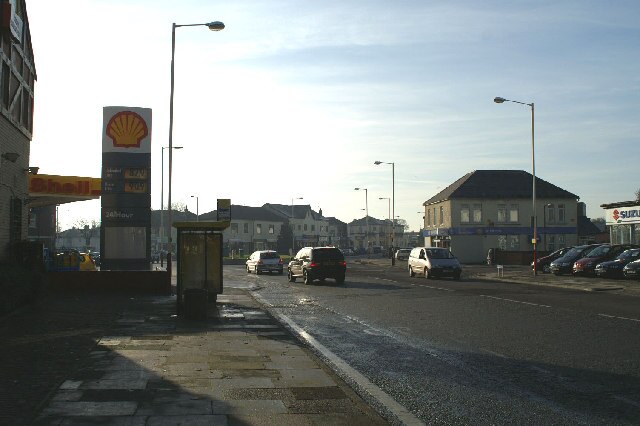
There is affection in the way people talk about the local businesses, even when gently complaining about parking or a queue that stretches to the door. The village centre is not polished or flashy, and that is part of its charm. It feels lived in. The Christmas lights go up and everyone has an opinion. A new shop opens and it becomes the main topic of conversation for a week.
Only locals understand how the train timetable subtly shapes the day. When a train pulls in at Ainsdale station, there is a brief surge of movement. When it departs, calm returns. It is a small detail, but it gives the village its pulse.
Southport is close, but Ainsdale is its own world
Technically, Ainsdale sits within the borough of Southport. The larger town, with its pier and shopping streets, is just up the road. Yet people who live in Ainsdale know there is a clear difference in identity. Saying someone is from Ainsdale carries a slightly different tone than saying they are from Southport.
There is a quiet pride in that distinction. Ainsdale feels smaller, more contained, more neighbourly. While Southport attracts day trippers and summer crowds, Ainsdale often feels like a retreat from that bustle. Residents know the back routes that avoid traffic when an event is on. They know which evenings the beach car park will be full and which late afternoons offer near silence except for the distant call of seabirds.
The relationship is friendly but defined. People happily head into Southport for a bigger shop or a meal out, then just as happily return to the slightly slower pace of Ainsdale. There is comfort in crossing that invisible line back into the village, where the streets feel more familiar and the horizon seems wider.
Living in Ainsdale means understanding these nuances without needing to explain them. It is knowing that the wind will probably mess up a carefully styled haircut, that the dunes will always offer an escape, that the village centre runs on shared glances and quick chats, and that being close to Southport does not dilute a distinct local identity. It is a place shaped by coast and community in equal measure, and those who call it home carry a quiet appreciation for details that visitors might never notice.