

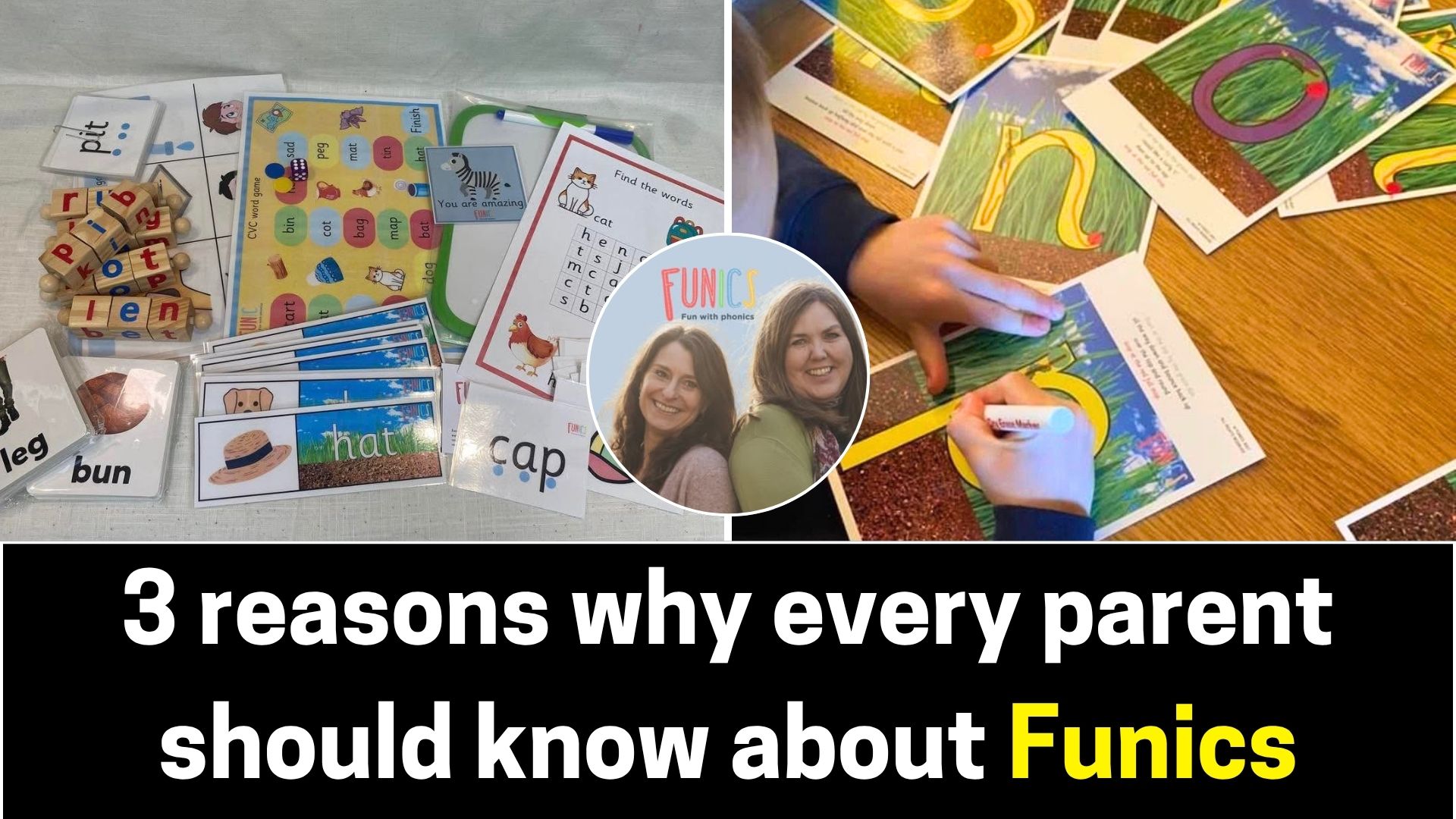
Getting a child ready for school is about much more than knowing their ABC.
There are lots of little skills that develop before a child is ready to start reading and writing properly, and these can sometimes be overlooked.
That is where Funics comes in.
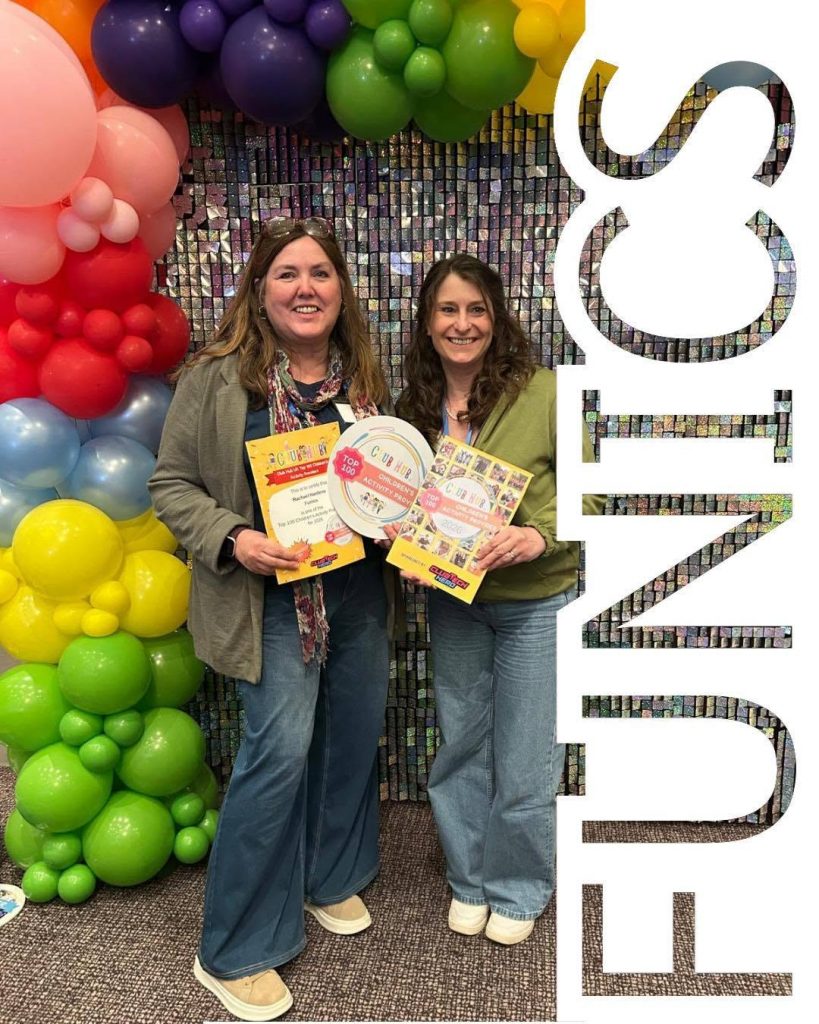
Founded by Rachael Hartless and Helen Downes, Funics was created from years of experience in teaching, early years education and caring for children.
The idea was simple, to make early language learning fun while helping children build the skills they will need later on.
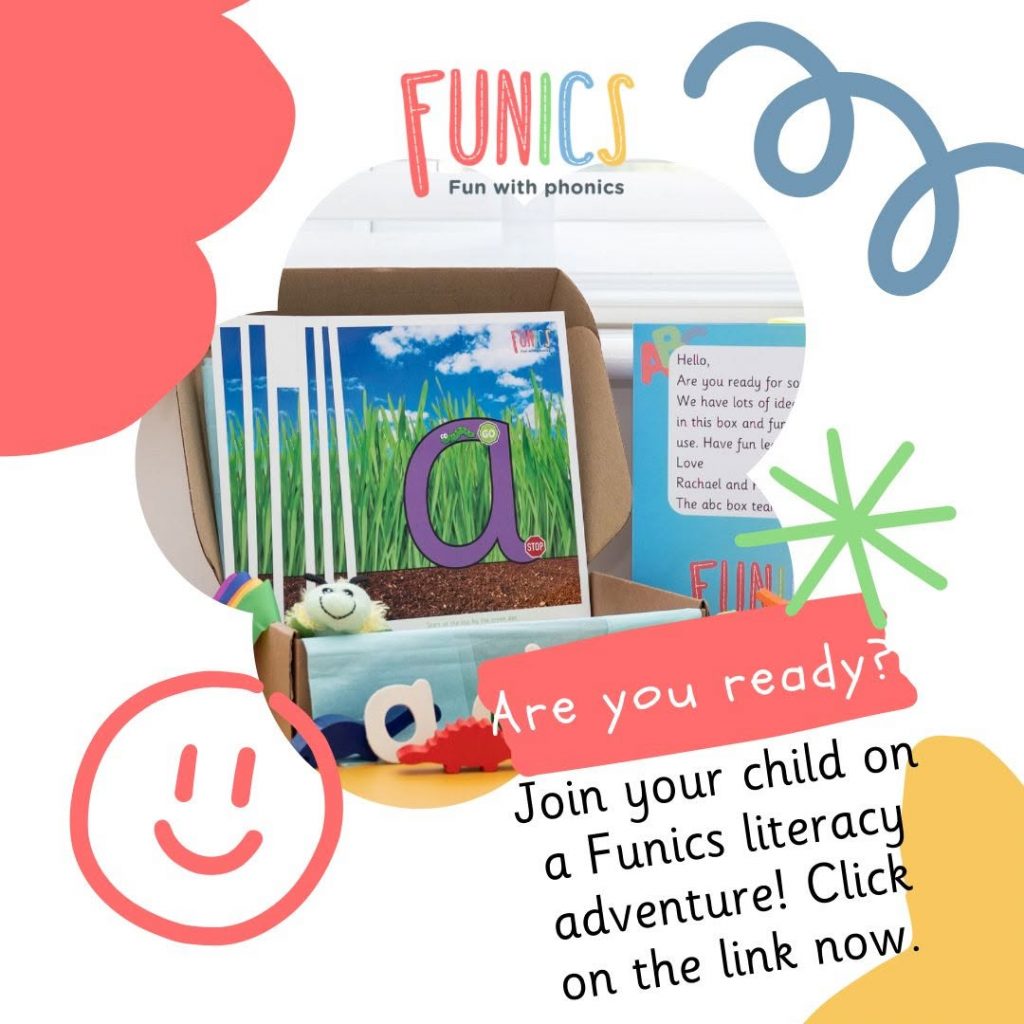
Based in Worcester and with local classes alongside monthly activity boxes delivered to families, Funics gives parents and carers a simple way to support their children before they start formal school. And importantly, it does not feel like sitting down for a serious lesson. There is plenty of play, creativity and fun involved.
Here are three reasons why Funics could be a great choice for families looking to give their children a positive start with early learning.
It focuses on the skills children need before phonics
The word phonics is everywhere these days. Schools talk about it, nurseries talk about it and parents often hear about sounds and letters coming home in school bags.
But phonics is only part of the story.
Phonics is a way of teaching children how sounds connect to letters and groups of letters. Children learn how to recognise sounds, blend them together to read words and segment them when they are learning to write. These are important skills, but children need a strong foundation before they can get the most from them.
This is one of the things that makes Funics different. The focus is not simply on getting children to memorise letters and sounds as quickly as possible. Instead, sessions and activities help develop some of the skills that come first.
That can include getting children ready to listen carefully, use their voices, develop their communication and strengthen the fine motor skills they will eventually need for writing. In simple terms, Funics is helping to prepare their ears, voices and fingers.
It is a sensible approach because learning does not happen in isolation. A child who has developed their listening skills, understands how to communicate and has started building control in their hands is in a much better position to tackle the next stage.
There is also something reassuring for parents here. It can be easy to feel pressure to make sure a child knows certain letters or sounds before starting school. Funics takes some of that pressure away by helping families understand what really matters at this stage.
Learning feels like play rather than school
Young children are naturally curious. They want to touch things, make things, sing, move around and have a go. Asking them to sit still and concentrate on something that feels like a school lesson is not always going to end well. Anyone who has spent five minutes with a small child and a box of crayons will understand that.
Funics uses play as part of the learning process, which makes a lot of sense for young children.
The local classes are designed to be fun and engaging while still having a clear educational purpose. Children can take part in activities that support early language and literacy skills without necessarily feeling like they are being taught.
That matters because positive experiences with learning can help shape how children feel about education. If early learning is enjoyable, children are more likely to approach new activities with curiosity rather than worry.
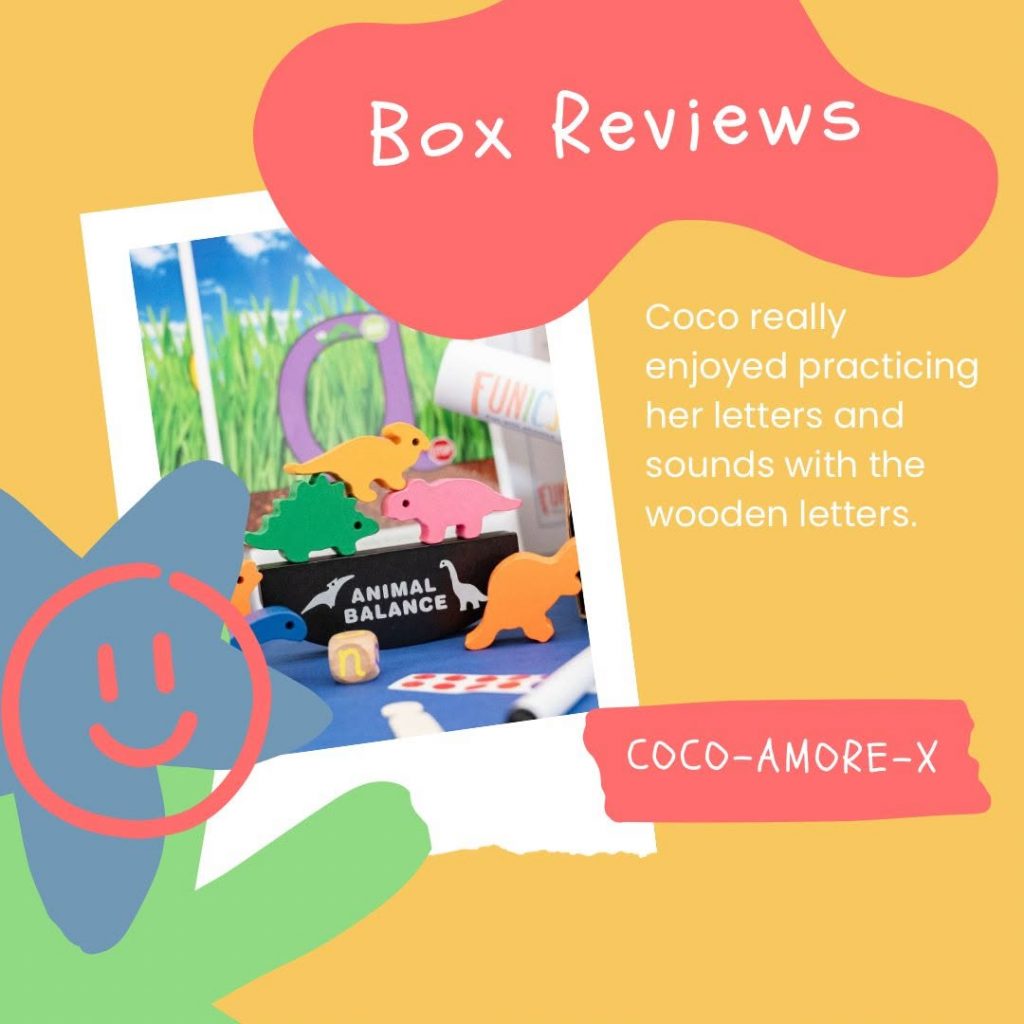
The feedback from parents reflects this. One parent described Funics classes as both educational and extremely fun, explaining that their daughter enjoyed the activities so much that they often had to repeat them at home.
Another parent said their daughter really looked forward to attending the sessions and was learning a lot while having fun.
That is a pretty good sign that the balance is right.
The approach also gives parents something useful to take away from each session. Instead of learning being something that only happens during a class, the ideas and activities can become part of everyday life at home.
And that is where learning can become much more natural. A simple game, song, story or activity can give a child another opportunity to practise important skills without turning the living room into a classroom.
It gives parents more confidence too
Getting a child ready for school can sometimes feel like there is a long list of things parents are supposed to know. Which sounds should they know? Should they be writing their name? Should they recognise letters? Are they ready for phonics? What happens if they are not interested in any of it?
It can be a lot to take in.
Funics was created partly because Rachael and Helen had seen these challenges first hand. Their experience working with young children and their own experiences as parents helped shape the business.
The aim is not to make parents feel that they have another lesson to plan every evening. It is about giving them simple ways to understand early development and support their child with confidence.
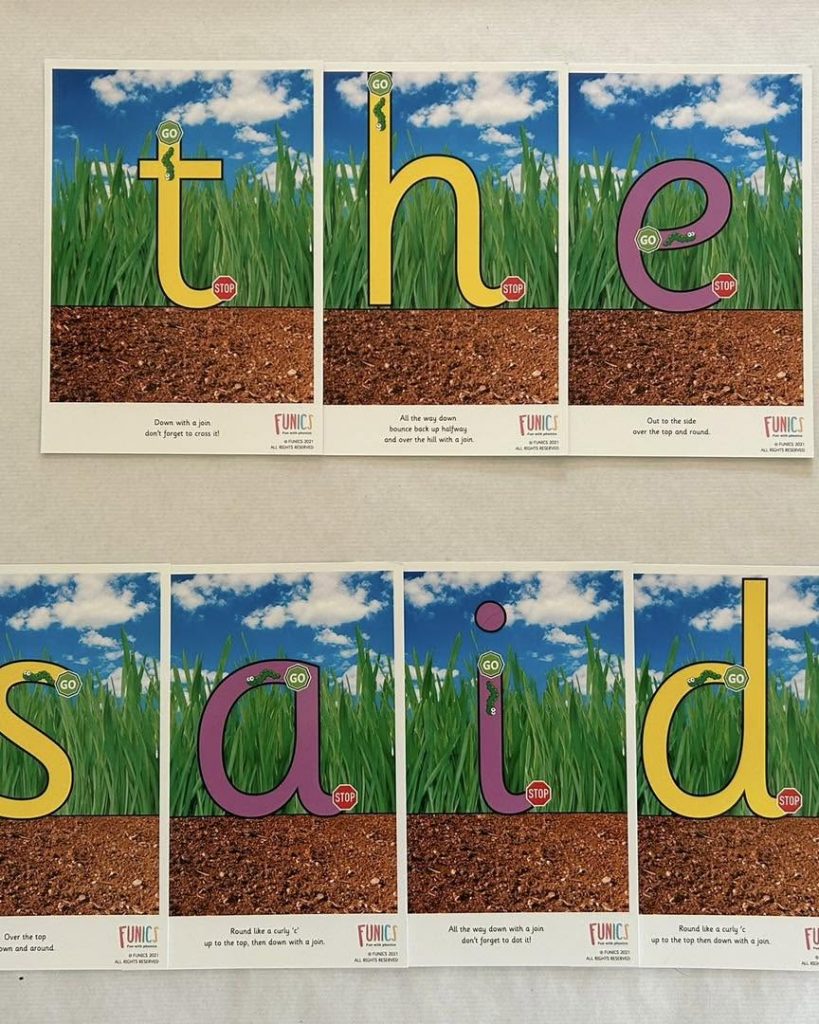
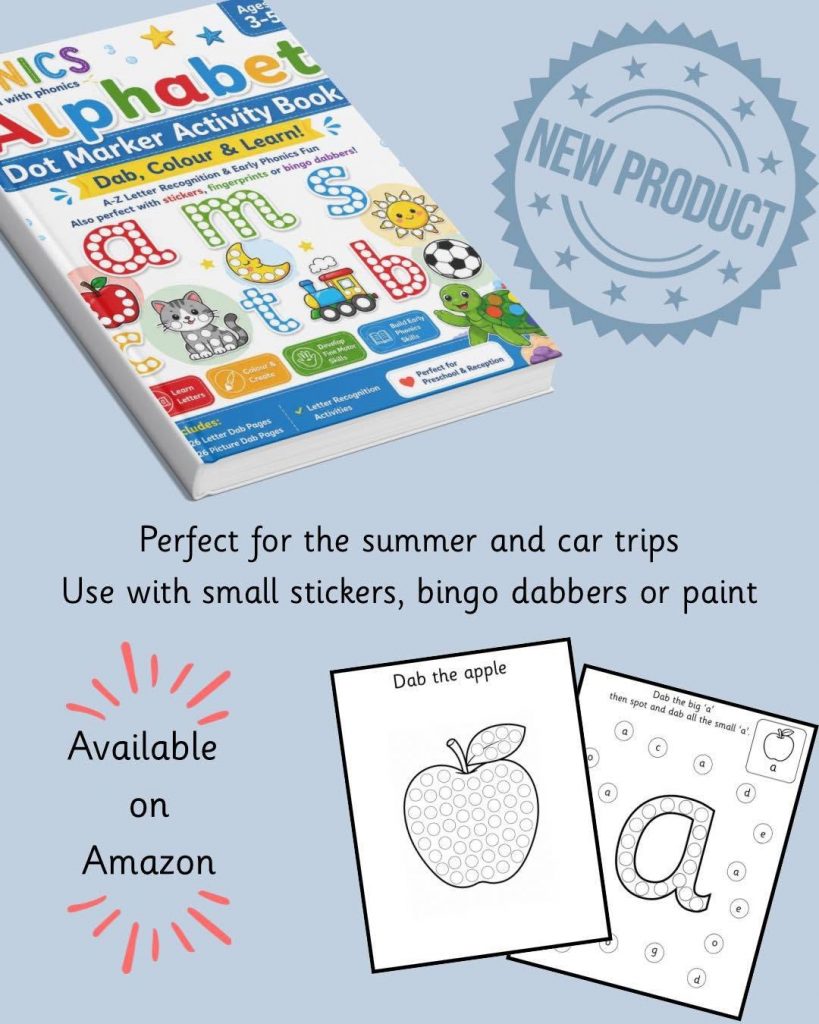
The Funics ABC boxes are designed with this in mind. They are monthly subscription boxes for children aged three to six, with activities delivered directly to the door. The activities are designed to help children build the foundations they need for reading and writing through play.
That can be particularly useful for parents who want to do more at home but are not quite sure where to start. There is no need for teaching experience, and the activities provide a clear starting point.
The boxes also mean learning can fit around normal family life. There is no need to create a strict timetable or spend hours preparing activities. A little bit of consistent practice can go a long way, especially when it is enjoyable for the child.
For parents who prefer face to face activities, the local Funics classes offer another way to get involved. The friendly approach helps create a space where children can learn alongside others while parents can see how the activities support their development.
Ultimately, Funics is about helping children feel ready rather than trying to rush them ahead. Starting school is a big moment for any child. Being able to recognise a few letters is useful, but feeling confident, listening well, communicating clearly and being willing to have a go are just as important.